

Flooring Estimates Denver vary based on material (linoleum $5-$20/sq. ft., hardwood $3-$10/sq. ft., laminate $2-$5/sq. ft.), project scope, complexity, and location. Key factors include access, preparation needs, and labor rates. Request detailed quotes from multiple contractors to ensure accurate estimates and choose the best value. Tile flooring costs range from $8-$15/sq. ft., with labor varying from $5-$10/sq. ft. Strategic planning, material selection, and negotiating skills can lead to budget-friendly results.
In the vibrant landscape of Denver, homeowners often face the task of tile flooring replacement, a project that demands careful consideration. The average cost of this endeavor is a significant factor influencing decisions, as it involves navigating a complex web of material expenses, labor rates, and installation variables. Accurately estimating these costs is crucial for budgeting and planning. This article provides an authoritative guide to understanding Flooring Estimates Denver, offering insights into the factors driving prices and helping homeowners make informed choices, ensuring their projects stay on track and within budget.
- Understanding Tile Flooring Replacement Costs in Denver
- Factors Influencing Flooring Estimates Denver
- Local Market Dynamics: Who Sets the Prices in Denver?
- Materials and Labor: Breaking Down Cost Components
- Getting Accurate Floor Repair Quotes Denver
- Tips for Negotiating and Saving on Tile Floor Replacements
Understanding Tile Flooring Replacement Costs in Denver

The cost of tile flooring replacement in Denver can vary significantly depending on several factors, making it essential for homeowners to understand the dynamics before embarking on any renovation project. Denver linoleum flooring estimates typically range from $5 to $10 per square foot, with higher-end options reaching up to $20 or more. These costs include both materials and labor, ensuring a durable and aesthetically pleasing finish. For instance, a 500-square-foot bathroom renovation could cost anywhere between $2,500 and $5,000, depending on the quality of tiles and the complexity of the job.
Hardwood floor refinishing quotes in Denver often start at around $3 per square foot, with some high-end projects reaching up to $10 or more. This process involves sanding down, repairing, and applying a new finish to existing hardwood floors, extending their lifespan. For a 300-square-foot living room, the average cost could range from $900 to $1,500. It’s crucial to note that these estimates are subject to change based on market fluctuations and the specific requirements of each project.
Laminate flooring prices in Denver generally fall between $2 and $5 per square foot, making it a cost-effective option for many homeowners. While it may not offer the same level of durability as tile or hardwood, laminate is known for its ease of installation and low maintenance requirements. For a 400-square-foot kitchen, the total cost could vary from $800 to $2,000, depending on the brand and style chosen. Homeowners should consider seeking flooring estimates Denver professionals can provide to ensure they receive competitive prices for their specific needs.
In addition to material and labor costs, other factors influencing flooring estimates Denver include the complexity of the installation (e.g., preparing subfloors, removing old flooring), access to the site, and the scale of the project. Engaging with reputable contractors who can offer transparent quotes is vital for managing expectations and ensuring a successful renovation.
Factors Influencing Flooring Estimates Denver
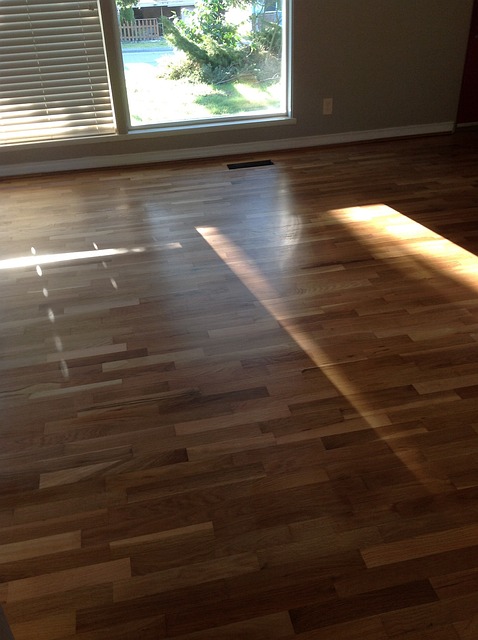
When it comes to understanding flooring estimates Denver, several factors play a crucial role in determining the average cost of tile flooring replacement. One of the primary considerations is the type of flooring chosen, with vinyl sheet flooring Denver being a popular and budget-friendly option that can range from $8 to $15 per square foot, including materials and labor. Carpet installation Denver, on the other hand, tends to be more expensive, costing anywhere between $10 and $20 per square foot, depending on the quality and thickness of the carpet.
Another significant factor is the scope of the project. Smaller areas will naturally have lower flooring estimates Denver compared to larger spaces. For instance, replacing flooring in a 500-square-foot bathroom can cost significantly less than doing an entire 2,000-square-foot living room. Additionally, complexity levels matter; installations involving intricate patterns or custom designs often come with higher labor costs.
Location within Denver also influences flooring estimates. Urban areas might experience slightly higher prices due to increased delivery and installation challenges compared to suburban or rural regions. Moreover, the availability of specific flooring types in local stores can affect pricing. For example, certain high-end vinyl sheet flooring Denver may have limited stock, driving up costs. Similarly, specialized carpet installation Denver services that employ skilled technicians might charge premium rates.
To ensure accurate flooring estimates Denver, homeowners should request detailed quotes from multiple reputable contractors or sales and installation specialists. These quotes should break down labor, materials, and any additional fees for features like underlayment, padding, or trim. Comparing these proposals will not only help in choosing the best value but also enable informed decisions about the project scope and timeline.
Local Market Dynamics: Who Sets the Prices in Denver?

The cost of tile flooring replacement in Denver is influenced by a complex interplay of local market dynamics, material choices, and labor rates. In this competitive market, understanding who sets the prices and what factors drive them is crucial for homeowners seeking flooring estimates Denver. The landscape is characterized by a mix of established contractors and specialized flooring suppliers, each playing a significant role in shaping the overall cost structure.
One notable aspect is the prevalence of independent tile specialists and contractors who have honed their expertise in specific types of flooring, such as waterproof flooring Denver or Wall Tiles Denver. These professionals often command competitive rates due to their specialized skills and access to high-quality materials. For instance, a study by the Colorado Department of Labor found that skilled tile installers in Denver typically charge between $15 to $30 per square foot for labor, with material costs varying widely based on type and quality. This dynamic highlights the importance of seeking multiple flooring estimates Denver to ensure you’re getting the best value for your money.
Additionally, the best value flooring Denver is not solely determined by the lowest quote. Quality, longevity, and after-sales service are equally critical factors. Established flooring companies with a proven track record in the region tend to offer more consistent pricing due to their steady supply chain and relationships with local suppliers. They often provide comprehensive flooring estimates Denver that include material, labor, and any necessary preparation or cleanup, making it easier for homeowners to budget effectively. Engaging with these professionals can lead to a higher quality finish and longer-lasting results, justifying the potentially higher upfront costs.
Materials and Labor: Breaking Down Cost Components

The average cost of tile flooring replacement in Denver varies widely based on several factors, primarily the materials chosen and labor rates. According to recent market data, homeowners in Denver can expect to pay between $8 and $15 per square foot for tile flooring installation, with a median price point settling around $12 per square foot. This range includes both material costs and labor, which are significant components of any flooring project.
Materials play a substantial role in determining your final bill. High-end tiles, such as natural stone or imported ceramic varieties, significantly drive up the cost compared to budget options like vinyl or composite materials. Additionally, underlayment, grout, and sealing products contribute to the overall expense. Denver carpet installation services often incorporate these components into their flooring estimates, ensuring a comprehensive solution for homeowners looking to replace their tile floors. For instance, a 100-square-foot area might cost $1,200 to $2,500, depending on the materials selected, not including labor.
Labor costs vary based on the complexity of the job and the size of the project. Simple replacement jobs for worn-out tiles are less expensive than complete floor replacements or intricate designs that require skilled craftsmanship. In Denver, where demand for flooring services is high, labor rates typically range from $5 to $10 per square foot. For a typical 200-square-foot tile flooring repair project, labor costs can add up to $1,000 to $2,000. By understanding these cost components—materials and labor—homeowners in Denver can secure competitive flooring repair costs, ensuring their projects stay on budget without compromising quality.
Getting Accurate Floor Repair Quotes Denver

When it comes to tile flooring replacement in Denver, getting accurate floor repair quotes is paramount for any homeowner looking to embark on a successful renovation project. The cost of tile flooring can vary widely based on factors such as material type, complexity of the installation, and the size of the space. In Denver, where vinyl sheet flooring and hardwood floor installation are popular choices, understanding the market rates becomes crucial for budgeting and ensuring you receive fair pricing.
According to recent flooring reviews Denver, the average cost for tile flooring replacement typically ranges from $5 to $15 per square foot. For example, a 500-square-foot bathroom renovation could expect to pay between $2,500 and $7,500 for high-quality tiles and labor. Vinyl sheet flooring Denver, known for its durability and versatility, usually costs less, with estimates starting at around $3 per square foot, making it a more budget-friendly option. Hardwood floor installation pricing in Denver also varies based on the type of wood, finish, and whether the project involves laying new floors or refinishing existing ones.
To ensure you get accurate flooring estimates Denver, it’s essential to provide detailed information about your project to potential contractors. This includes measurements, material preferences, and any specific design elements. Multiple quotes from reputable professionals will enable you to compare costs effectively. Additionally, checking online reviews for flooring companies in Denver can offer insights into their pricing transparency and customer satisfaction levels. Remember, clear communication is key; discussing the scope of work thoroughly with your chosen contractor will help align expectations and deliver a successful flooring installation project.
Tips for Negotiating and Saving on Tile Floor Replacements

When it comes to tile flooring replacement in Denver, negotiating and saving on costs is an art many homeowners find valuable to master. With varying prices for labor and materials, understanding how to navigate these expenses can significantly impact your wallet. One of the key strategies is to obtain multiple flooring estimates Denver-based contractors provide. This allows you to compare not only prices but also the scope of work and quality of service. Remember, the cheapest option might not always be the best, so focus on finding a balance between affordability and durability.
Vinyl sheet flooring Denver has become a popular choice due to its cost-effectiveness and versatility. Many contractors offer competitive pricing for this type of flooring, making it an excellent point of discussion during negotiations. For instance, according to recent market surveys, the average cost for a basic vinyl sheet flooring installation in the Denver area ranges from $2 to $5 per square foot, depending on the quality and design chosen. Similarly, linoleum flooring estimates Denver can vary, with mid-range options starting around $4 per square foot. These figures serve as benchmarks but should be tailored to your specific project requirements.
Another tip involves considering off-season installations. Many contractors offer discounted rates during quieter periods, such as late fall or winter, when the demand for Denver area rug installation is lower. This strategic approach can save you considerable amounts, especially for larger projects. Additionally, being open to alternative flooring materials besides tile can unlock further savings. For instance, hybrid floors combining tile and vinyl or linoleum can be more economical while still delivering aesthetic appeal. By combining negotiation skills with a thoughtful selection of flooring types, you’re well on your way to achieving your desired space with a budget-friendly outcome.
The article has thoroughly explored the intricate aspects of tile flooring replacement costs in Denver, offering valuable insights for residents navigating this process. Key takeaways include understanding the influence of various factors on flooring estimates Denver, recognizing the local market dynamics that set prices, and decoding the cost components of materials and labor. By delving into these areas, homeowners can gain accurate quotes for floor repair and learn effective negotiation strategies to save on tile floor replacements. Armed with this knowledge, individuals are empowered to make informed decisions, ensuring they receive fair pricing while enhancing their Denver homes.