

Choosing flooring for high traffic areas in Denver demands a strategic approach. Key considerations include durability, aesthetics, and maintenance. Carpet, vinyl (water-resistant & budget-friendly), hard floors like laminate/engineered hardwood, VCT, linoleum, and rubber flooring offer solutions tailored to specific needs. Flooring Estimates Denver professionals guide selection, focusing on long-term cost savings, safety, and property value enhancement through durable installations. Regular care ensures longevity.
Choosing the right flooring for high traffic areas in Denver is more than just aesthetics—it directly impacts your space’s functionality, durability, and long-term investment. High footfall can wreak havoc on flooring, leading to premature wear and tear, unsightly damage, and safety hazards. This article serves as your comprehensive guide to navigating this challenge, providing expert insights tailored to Denver’s unique climate and market. We’ll explore various flooring options, their longevity in high-traffic settings, and offer practical tips for making informed decisions, ensuring you secure the best flooring estimates Denver has to offer while prioritizing quality and sustainability.
- Understanding High Traffic Areas in Denver
- Types of Flooring Suitable for Heavy Use
- Factors to Consider When Getting Flooring Estimates Denver
- Best Practices for Choosing Durable Flooring Solutions
- Maintenance and Longevity: Ensuring Floor Success in Denver
Understanding High Traffic Areas in Denver

Choosing the right flooring for high traffic areas in Denver requires a deep understanding of the unique challenges these spaces present. With Denver’s bustling lifestyle and frequent footfall, both residential and commercial spaces endure significant wear and tear. High traffic areas, such as hallways, entryways, kitchens, and living rooms, demand durable, low-maintenance flooring solutions that can withstand constant use while retaining aesthetics. According to local flooring installers Denver, the choice of flooring can significantly impact the overall look, feel, and longevity of these spaces.
Carpet remains a popular option for high traffic areas in Denver despite its reputation for showing wear quickly. However, advancements in carpet technology have led to more durable varieties with enhanced stain resistance and improved fiber construction. The average price to install carpet in Denver ranges from $2 to $5 per square foot, offering an affordable solution for those seeking warmth and comfort underfoot. Vinyl flooring installation Denver has also gained traction due to its water-resistance, ease of maintenance, and budget-friendly pricing—typically between $3 to $8 per square foot. This makes it a popular choice for kitchens, bathrooms, and other areas prone to moisture.
On the commercial front, hard floors like laminate or engineered hardwood are often preferred for their longevity and ability to withstand heavy traffic. These flooring options require minimal maintenance and offer an aesthetically pleasing finish that can enhance any space. Local flooring installers Denver report that while the initial flooring estimates Denver may be higher for these materials, their durability translates into long-term cost savings. For example, a study by the National Floor Covering Association found that vinyl flooring, when installed correctly, can last up to 20 years with minimal maintenance, making it a wise investment for high traffic areas in both residential and commercial settings.
Types of Flooring Suitable for Heavy Use
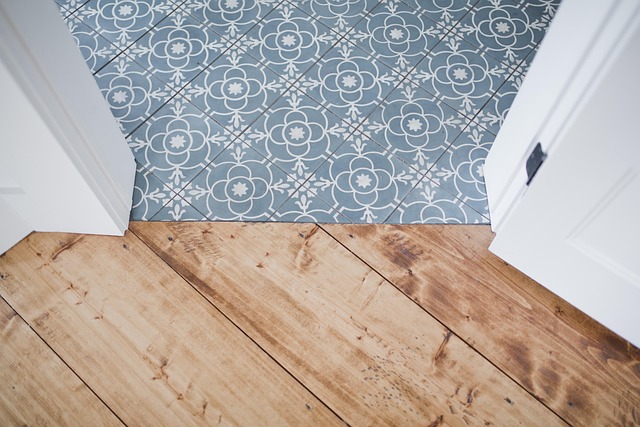
High traffic areas in any space demand flooring solutions that can withstand constant use, ensuring longevity and minimal maintenance. When it comes to choosing flooring for such demanding environments in Denver, several robust options stand out. Resilient flooring, for instance, is a popular choice due to its durability and ability to resist scratches, tears, and stains—essential traits in high-wear areas like hallways, entryways, and commercial spaces. Vinyl composition tile (VCT) and linoleum are two types of resilient flooring that offer excellent value for money, with VCT being particularly versatile and easy to maintain.
Rubber flooring is another game-changer for high traffic zones. Its exceptional slip-resistant properties make it a safe choice for areas prone to moisture or frequent footfall, such as gyms, schools, and restaurants. This durable material can withstand heavy loads, rebound from impact, and reduce fatigue in users—a significant advantage in spaces where people are on their feet for extended periods. While rubber flooring may have a higher upfront cost compared to some resilient options, its longevity and health benefits make it a sound investment over time.
When selecting flooring for high traffic areas in Denver, it’s crucial to consider factors like budget, aesthetic preferences, and specific environmental conditions. Flooring estimates Denver professionals can provide valuable insights into the most suitable materials and installations. Reputable contractors specializing in flooring will guide homeowners and businesses through options, ensuring a durable, aesthetically pleasing result that stands the test of time—and heavy use.
Factors to Consider When Getting Flooring Estimates Denver

When choosing flooring for high traffic areas in Denver, understanding the unique factors involved in flooring estimates Denver is crucial. Beyond aesthetics, considerations like durability, cost effectiveness, and maintenance requirements take center stage. For instance, a bustling commercial space requires a different flooring solution than a residential area subject to frequent traffic. Laminate flooring installation Denver offers an affordable, easy-to-maintain option suitable for high-wear zones, while rubber flooring Denver adds a comfortable cushion and superior slip resistance in areas like gyms or schools.
Flooring estimates Denver should account for the specific needs of each space. Factors such as foot traffic volume, weight capacity, and environmental conditions play significant roles. A reputable flooring contractor Denver will assess these elements before recommending suitable materials. For example, heavy equipment in warehouses necessitates robust industrial flooring solutions that can withstand constant abuse. Conversely, residential entryways demand flooring that balances durability with a welcoming aesthetic.
Choosing the right flooring is only half the battle; proper installation is equally vital. A subpar job may lead to premature wear and tear, invalidating your flooring estimates Denver. Experienced contractors in Denver understand the importance of accurate measurements, level subfloors, and adherence to manufacturer guidelines during laminate flooring installation Denver or rubber flooring installation Denver. They employ specialized techniques and tools to ensure long-lasting results. By factoring in these considerations, you’ll make an informed decision when selecting flooring for high traffic areas in Denver, ultimately enhancing your space’s functionality and value.
Best Practices for Choosing Durable Flooring Solutions

When it comes to selecting flooring for high traffic areas in Denver, choosing durable solutions is paramount. These spaces, often including entryways, hallways, and busy living areas, demand materials that can withstand constant use and potentially harsh conditions. One of the most popular choices for such environments is hardwood flooring. Known for its timeless aesthetic and resilience, quality hardwood offers a robust option that can last for generations when properly maintained. However, not all hardwoods are created equal; opt for species like oak or maple, renowned for their durability, to ensure your investment holds up under Denver’s active lifestyles.
For areas prone to moisture or frequent cleaning, waterproof flooring in Denver becomes a top priority. Vinyl flooring has emerged as a leading candidate, providing an affordable and versatile solution. Advanced vinyl technologies offer not only water resistance but also easy maintenance and improved hygiene. This is particularly beneficial for kitchens, bathrooms, and utility rooms where spillage and wet conditions are common. Moreover, with the latest innovations, vinyl floors can mimic the look of hardwood or stone, providing visual appeal without compromising durability.
Beyond aesthetics and practicality, it’s crucial to consider flooring estimates Denver when making your selection. Costs vary based on material, quality, and installation complexity. For high-traffic areas, investing in a premium yet durable flooring option is generally more cost-effective in the long term. Regular maintenance, including periodic refinishing for hardwood or simple cleaning for vinyl, ensures longevity. Remember, the right flooring choice not only enhances your Denver property’s value but also contributes to a safe and comfortable living environment, catering to both style and practicality.
Maintenance and Longevity: Ensuring Floor Success in Denver
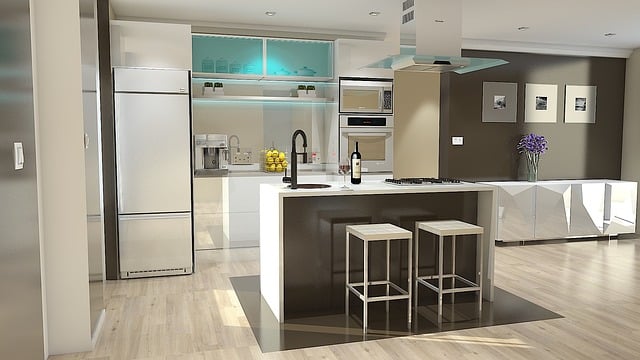
Choosing the right flooring for high traffic areas in Denver is a crucial decision that goes beyond aesthetics; it’s about investing in durability and practicality. In cities like Denver with active lifestyles and bustling environments, floors face constant wear and tear, necessitating robust materials and proper maintenance routines. This comprehensive guide delves into the factors influencing flooring success, offering expert insights for property owners and managers seeking long-lasting solutions.
Carpet has long been a popular choice in Denver due to its comfort and warmth. However, high traffic areas can see significant carpet damage within just a few years, leading to costly repairs or replacements. To maximize lifespan, regular cleaning and deep steaming are essential. In fact, according to recent studies, proper carpet maintenance can extend the life of commercial carpets by up to 50%. For budget-conscious Denver residents, affordable flooring options like vinyl or linoleum offer excellent resistance to heavy footfall while remaining cost-effective. These materials are not only durable but also easy to maintain, requiring minimal upkeep compared to carpets.
Beyond initial installation and maintenance, considering long-term costs is vital. Flooring repair in Denver can vary widely based on material and damage extent. For instance, a simple carpet repair job might range from $50 to $200 per square foot, while complete flooring replacements can cost several thousand dollars per room. By contrast, investing in more durable flooring options initially may reduce overall spending over time. For example, hardwood floors, though pricier upfront, can last 25 years or more with proper care, offering a long-term solution that often pays for itself through reduced repair costs.
To ensure floor success in Denver’s demanding environments, proactive planning is key. Regular inspections, prompt repairs, and adherence to recommended cleaning routines are essential. By choosing the right flooring type and maintaining it effectively, property owners can create lasting spaces that endure the city’s hustle and bustle. For accurate flooring estimates Denver residents should consult local professionals who can assess specific needs and provide tailored solutions, ensuring both beauty and longevity in every step of the process.
Choosing the right flooring for high traffic areas in Denver requires a comprehensive understanding of both the unique challenges and available solutions. Key insights include selecting durable materials like luxury vinyl or concrete for heavy use, considering factors such as moisture resistance, ease of maintenance, and cost during Flooring Estimates Denver, and implementing best practices for installation and upkeep. Longevity and success depend on these considerations, ensuring your flooring stands up to the hustle and bustle of Denver’s high traffic areas for years to come.